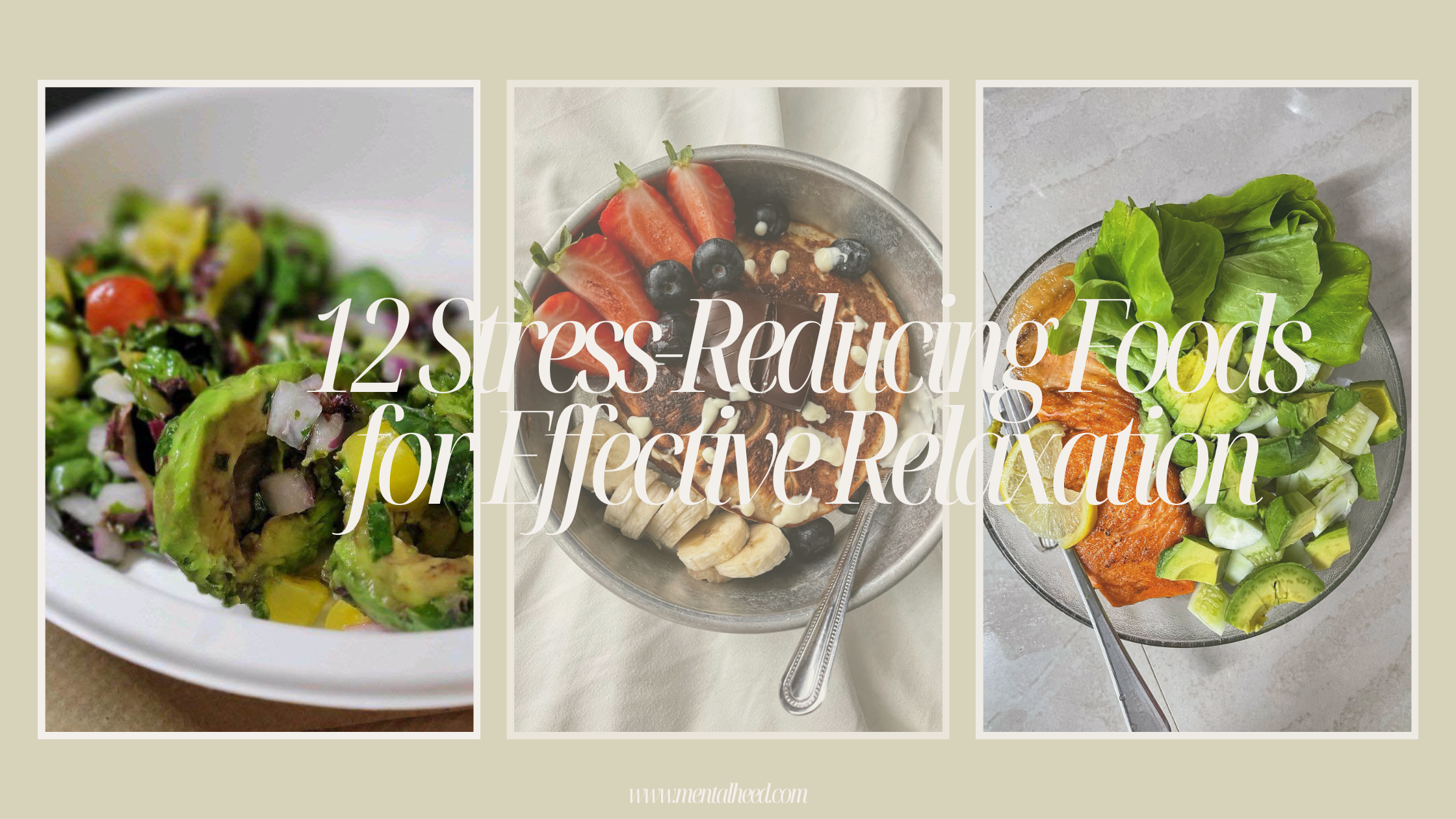
Life these days can feel overwhelming. With all the daily pressures and endless to-do lists, I’ve found myself struggling with stress more often than I can count.
For me, I easily get overwhelmed. Phones ringing, texts buzzing, and a full itinerary list – that, is the real struggle. I know that you can relate.
It’s not just about the mental strain either—stress affects me physically: headaches, sleepless nights, memory lapses.
No matter who you are – life can get hard. However, switching to eating stress reducing foods was the solution to easing off my daily pressures.
While there are countless methods to tackle stress, I’ve come to appreciate a simple yet powerful tool: food. Yes, stress-reducing foods! Something as basic as what we eat can make a huge difference. Let me explain the effects of stress and the science of how food alleviates it’s symptoms in this next section.
Understanding Stress (And How Food Can Help)
We all know what stress feels like., but what I didn’t fully realize was how deeply it’s tied to the body’s hormones. According to research, stress increases our adrenal glands release hormones like adrenaline and noradrenaline.
These help sharpen our focus and get us through tough moments. But when stress lingers, things shift. Cortisol—often called the “stress hormone”—starts flowing. While it gives us a temporary boost of strength, too much of it over time can lead to issues like anxiety, high blood pressure, and muscle weakness.
Managing stress effectively is really a balancing act. It’s about getting enough sleep, staying hydrated, nurturing relationships, and yes, paying attention to what I’m eating according to a study from the Migraine Resource Center.
If we were to dive into one of the main solutions of relieving our body of stress, it would be through incorporating stress-reduced foods into our daily diet.
What I’ve learned is that certain foods help calm the body and mind by reducing cortisol or boosting serotonin and dopamine—our body’s “happy” hormones. Here are some of my go-to stress-relieving foods in this upcoming section and how it’s positively changed me.
You’ll Also Love: 100 Powerful Affirmations to Manifest Your Best Year Yet in 2025
My Favorite Stress-Reducing Foods

Herbal Tea
Nothing calms me down faster than a warm cup of herbal tea. It’s not just the tea itself, but the ritual of holding that warm cup and slowly sipping it. Whether it’s green tea or soothing chrysanthemum tea, I instantly feel a sense of calm wash over me.
According to an article from Healthline, tea has been a fundamental drink that spanned for centuries. Herbal tea – specifically – is proven to relax muscles, improve menstrual cramps, soothe digestive track, and even improving blood levels.
I like to make myself a cup of herbal tea in the mornings where I don’t work and a cup before I go to bed. It’s a great soothing drink to wind me down before I climb under my covers.
If drinking a hot drink isn’t your forte and sweets is more likely something you would consider reaching for, consider dark chocolate and it’s benefits for relieving stress. Let me explain why!
Dark Chocolate
Who doesn’t love a bit of chocolate? I always keep a bar of dark chocolate (70-85% cocoa) nearby. According to an article from Healthline, it is rich in antioxidants, packed with flavonoids that help lower cortisol levels, and is helpful for easing stress.
Though it might not be hitting my sweet tooth as much as milk or white chocolate much, it’s a happy medium between something sweet and 100% cacao bars for me. The fiber and antioxidants that come from dark chocolate can be associated with lowering the risk of cardiovascular disease.
Dr. Lee Berk studied the effects of what dark chocolate consumption had on brain waves. He found that brainwaves were relaxed within the first 30 minutes of consuming it.
If that’s not enough reason for you to pack a bit of dark chocolate in your purse for convenance, then I don’t know what is. I know this fact about chocolates surprised me because who would’ve thought it’s in stress-reducing foods category.
Now, if chocolate isn’t your preferred snack and you prefer carbs, variations of eating whole grains can positively impact your stress levels. Let’s get to why that is.
Whole Grains
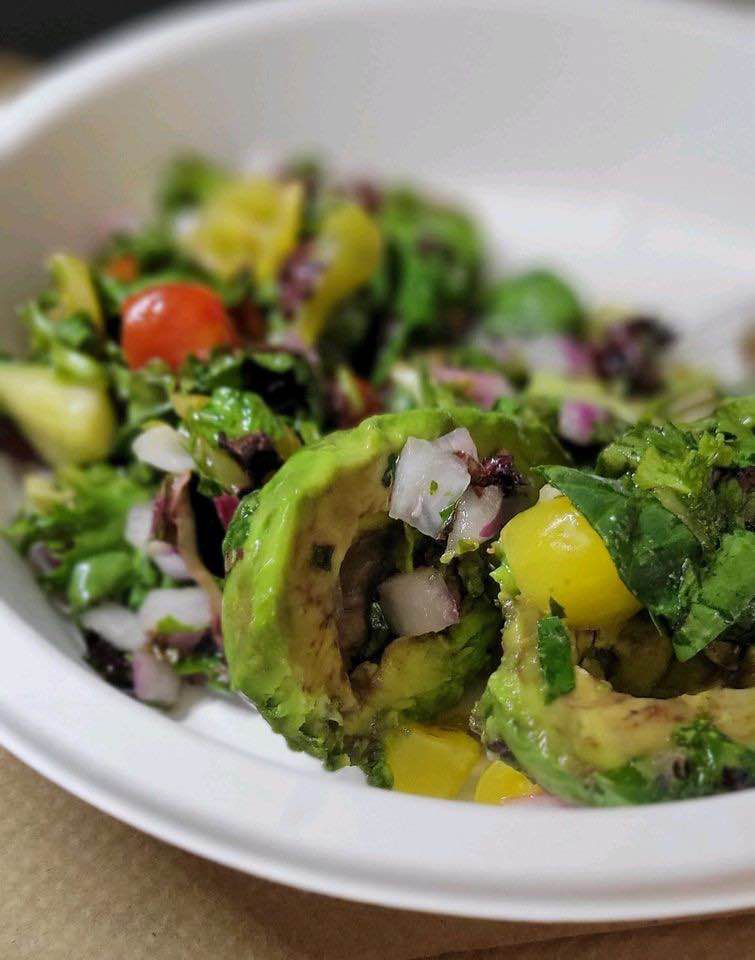
When I’m feeling a bit frazzled, I often reach for whole grains like oats or brown rice.
According to a study done by the National Library of Medicine, such carbs are categorized as ‘healthy carbs’ with their ability to circulate cortisol efficiently if consumed often.
I prefer to make them into savory meals like fried rice recipes. If not, I like to do a healthy spin for breakfast and make overnight oats. For me, it’s like a two-for-one: top it off with honey, berries and nuts for a sweet and nutritious boost of energy!
Chickpeas and quinoa are great options for healthy carbs as well. I like to include them in salad to add a bit of texture.
If you enjoy textures, but don’t want to eat too much carbs, avocados are a great alternative. Outside of serving as a popular breakfast food combo on toast, avocado has extremely helpful benefits – making it one of the most versatile stress-reducing foods out there. Let’s dive right into it’s benefits up next!
Avocado
I love avocados—not just for their creamy texture, but because they’re packed with vitamins like C, E, K, and essential minerals according to a study done by the Cleveland Clinic. Avocados are known to be superfoods because of it’s high levels of magnesium.
Magnesium is essential for building and maintaining muscles, nerves, bones and blood sugar levels. Like most other food items, avocados can crush high levels of cortisol – AKA stress.
As someone from California, if I’m not having a couple slices of avocado on toast with my eggs and hot sauce, I opt for topping it on my poke bowls. You must try these combinations if you haven’t yet – you might be missing out.
If the texture of avocado throws you off, but you still enjoy a rich flavor, including fatty fish in your diet can alleviate your health and reduce stress levels. Let’s get right into it in this following section!
Fatty Fish
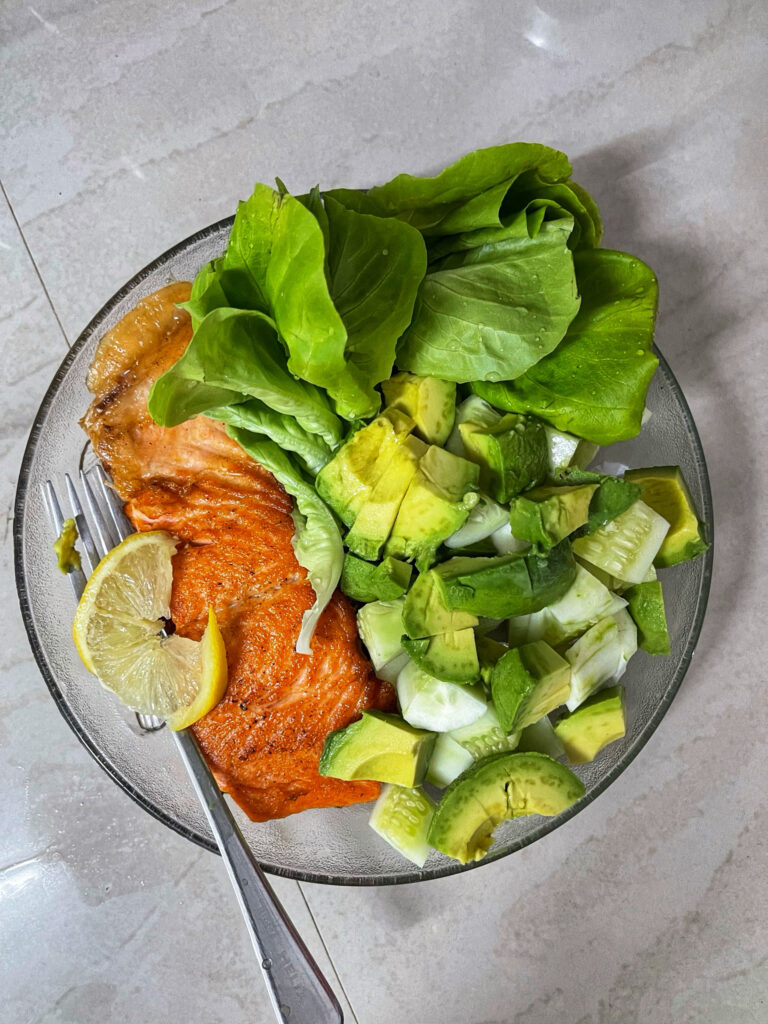
When I’m planning my meals, I try to include fatty fish like salmon or tuna. According to Mayo Clinic, Fatty fishes are categorized by their high levels in omega-3s, which are fantastic for heart health, reducing anxiety, and has anti-inflammatory properties If I don’t have time to prepare fish, I take fish oil supplements after consulting with my nutritionist.
I was initially recommended to take fish oil supplements by my family doctor to enhance aspects of my physical and mental. The biggest change I noticed after taking it daily was how uplifted I felt more often.
Surprisingly, fish oil is helpful for decreasing risks of Alzheimer’s disease if taken daily.
Some of my favorite ways to prepare fish is to grill or smoke it. For those who are sensitive to ‘fishy’ smells, grilling and smoking it takes away that aspect the best in my opinion.
For those who don’t find comfort in eating seafood, you might discover a different kind of solace in a simple glass of warm milk. While fish is widely praised for its health benefits, especially for stress and heart health, dairy milk can be just as nourishing in its own gentle way. Keep reading to find out how warm milk can support your well-being — and why it deserves a cozy spot in your nighttime routine.
Warm Milk
There’s something comforting about a glass of warm milk before bed and there’s many reasons for why it made it onto my life of stress-reducing foods. It reminds me of childhood and always helps me sleep better.
According to one research study, milk is rich in calcium and vitamin D, both of which stabilize my mood and keep those pre-bedtime worries at bay. Minerals, proteins, and tryptophan – a precursor of serotonin, are found in milk, making it a powerhouse that benefits your internal health.
Milk reduces sleep because tryptophan converts to serotonin, which in turn, translates to helping to regulate sleep, mood, and producing other calming effects.
If full fat cow milk is too creamy for you, there are variations of less fat milk – such as 2%.
However, if you like creamy and rich milk, consider trying goat and sheep’s milk if it’s accessible to you. They are known for having a sweeter aroma and more viscous consistency – leaving a creamy aftertaste.
Outside of milk being one of the best natural gifts from mother nature, nuts compete quite well for natural benefits that alleviate stress levels and increasing health levels. Up next – why nuts are one of my favorite stress-reducing foods!
Nuts
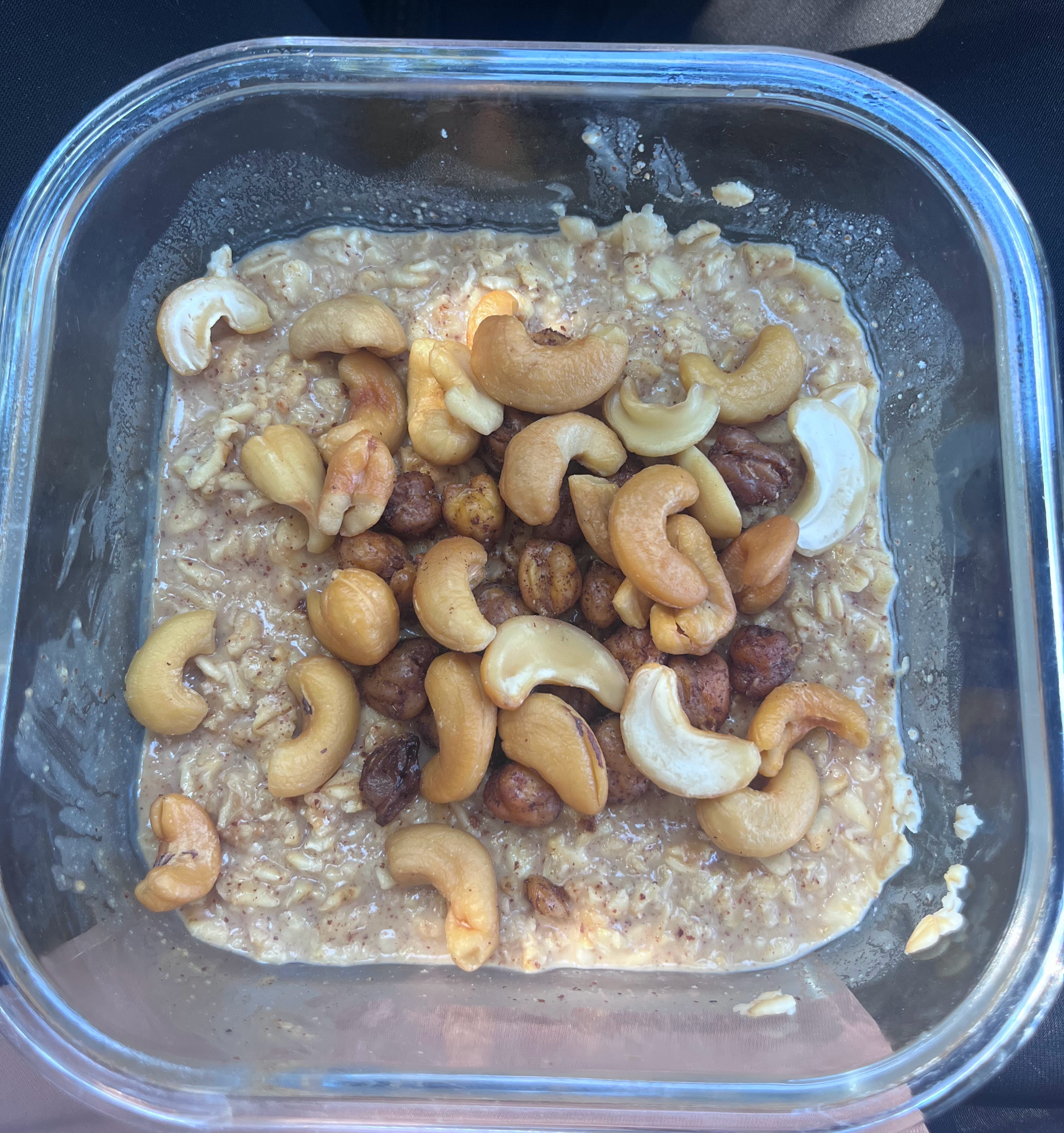
Whenever I’m in need of a quick snack, I grab a handful of almonds or walnuts.
From an article from Healthline, nuts are chalked full of B vitamins and magnesium, which are key in helping our bodies manage stress. What makes nuts so great is that they nutrients from multiple categories: protein, carbs, vitamin E, and selenium – just to name a few.
I like to ration out of a bulk bag of nuts from Costco into ziplocs or buy prepackaged pouches and throw a couple in each of my bags. When I drive home from work, I get quite peckish and this perks me up right away.
If you want variety and don’t want to consume nuts by themselves, try including them as toppings for meals like oatmeal.
If you like the variety of flavor that nuts can offer, turning to consuming a variety in fruits can be quite beneficial for your health as well. Let’s talk about why it’s one of the most accessible stress-reducing foods to exist!
Fruits Rich in Vitamin C
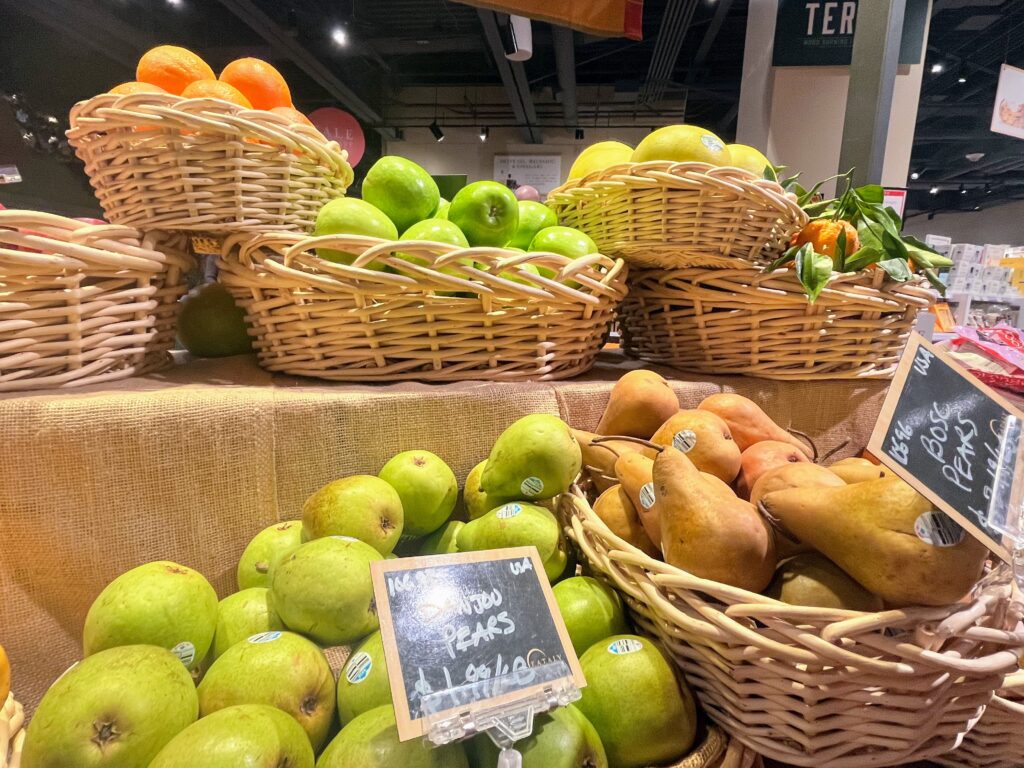
Oranges, tangerines, and strawberries are always on my shopping list – and for good reason. Here’s why: According to a allinahealth, they’re delicious and are filled with vitamin C which helps “regulate blood pressure and cortisol levels during high stress.”
Growing up, my family always kept a variety of food in the house. They are our go-to snacks- rich in antioxidants, naturally sweet, fibrous, and easy to grab-on-the-go .
My favorites have always easily been blueberries. They’re fun finger foods, easy to use as yogurt toppers, and beautiful in smoothies.
If getting enough fruit into your day feels overwhelming, don’t worry. Start small. I love sneaking in a handful with breakfast—paired with yogurt or stirred into overnight oats. Little changes like these can make healthy habits feel second nature.
If you’re considering fruits as a part of your morning breakfast, pairing it with probiotic-based goodies is a double win for your health and stress levels. Let’s get how it’s one of the many stress-reducing foods in this next section.
Probiotics
I never realized how connected gut health is to mental well-being until I read about the benefits of probiotics. According to Cleveland Clinic, probiotics are live bacteria and yeast that reset your gut microbiome. By taking out less friendly bacteria and yeast, taking probiotics ensures higher immunity levels against infections.
Specifically – for women – I understand how important it can be to feel hopeless and overwhelmed during our time of the month. Taking probiotics have helped to keep my health at bay and help me balance mood-regulating hormones better.
They’re also especially important during times of seasonal illness. Pairing the vitamins from fruits with probiotics in the morning—like in yogurt or kefir—can give your immune system the extra boost it needs to power through the day effectively.
Just remember that while you can enjoy your morning parfait topped with nuts and berries, making sure dedicate one to two meals of the day to fiber dense food is equally important because we need carbohydrates for a full balanced diet. Let’s get into whey that is – coming up!
Fiber-Rich Foods
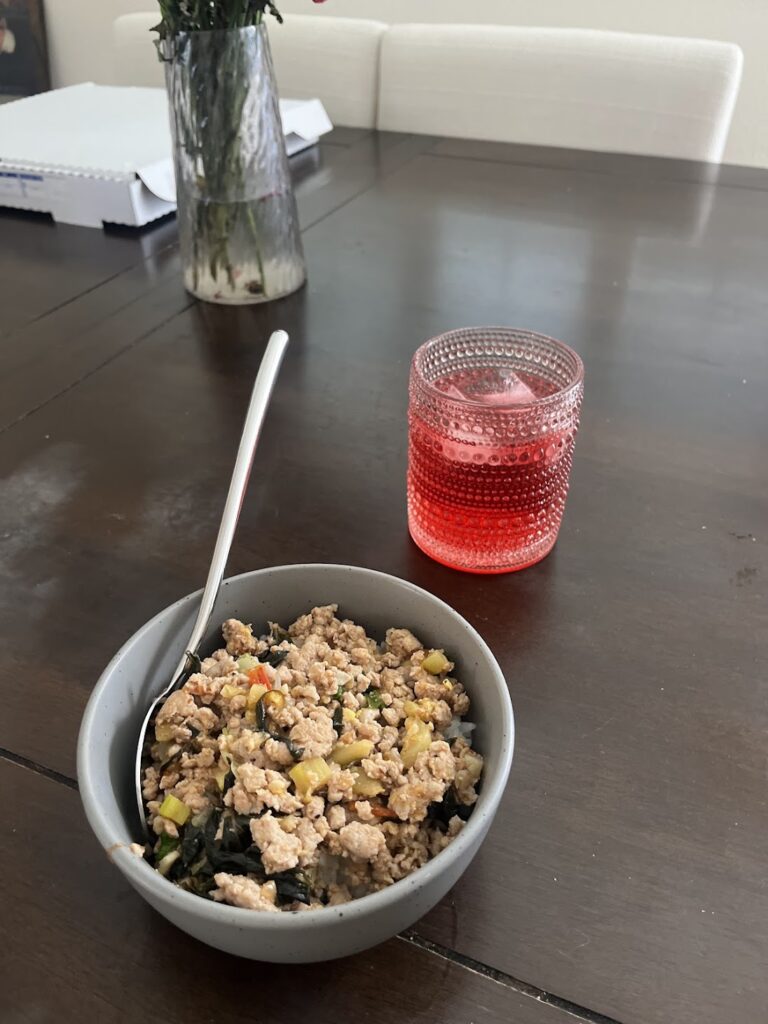
I’ve mentioned how fibers are part of other stress-reducing foods, so you may be wondering, “Why is fiber important?”
According to Mayo Clinic, there are two types of dietary fibers to be aware of: soluble fiber and insoluble fiber.
Soluble fibers dissolves in water and naturally forms in the stomach lining to help slow down digestion. Typically, they can be found in food items that help regulate cholesterol and blood spikes. Such food items include: oats, peas, beans, apples, bananas, avocados, citrus fruits, carrots (Mayo Clinic).
Unlike soluble fibers, Insoluble fibers do not dissolve in water. Instead, it helps add volume and weight to stool – meaning it’s especially important for people who have a hard time passing stool. Some great food choices I like to eat that contains insoluble fibers include: wheat-flour, bran, nuts, beans, potatoes, green beans and potatoes.
I like to include theses forms of fibrous and stress-reducing foods as one third of my lunch and dinner intake. Like many people, we tend to work more and grow hungrier during the latter half of our day which is why it’s important to make sure you’re food is packed with volume and fiber.
With many foods including both insoluble and soluble fiber, a great place to start would be looking into why artichokes are the friendliest component to incorporate into your diet. Let’s discuss the effortless benefits it has – and why you’ll love it too.
You’ll Also Love: 7 Proven Tips for Sustaining Youthful Health and Well-Being
Artichokes
Whenever I get the chance, I like to cook with artichokes. They’re full of magnesium, which helps my body respond better to stress, and they’re also packed with vitamin c, minerals, and high in folate which boosts my overall well-being.
According a Healthline article, they’re low in calories and they’re plant-based. For many people who may be vegetarian or vegan, getting in the right nutrients for a full healthy diet can be hard when fish, meat, and even dairy is not part of your diet.
With the inclusion of fibers through other factors – such as artichokes – it can take your diet up a couple levels. My friend who is vegetarian loves to steam artichokes and use it as a chip for her homemade dips. It’s one of my comfort snacks now when I want a healthier version of ‘chips and dip’.
For my friend who still enjoy that taste of a refreshing snack – like a dip – but want to consider something more sweet than savory, look no further because greek yogurt is our next and last stop for stress-reducing foods!
Greek Yogurt
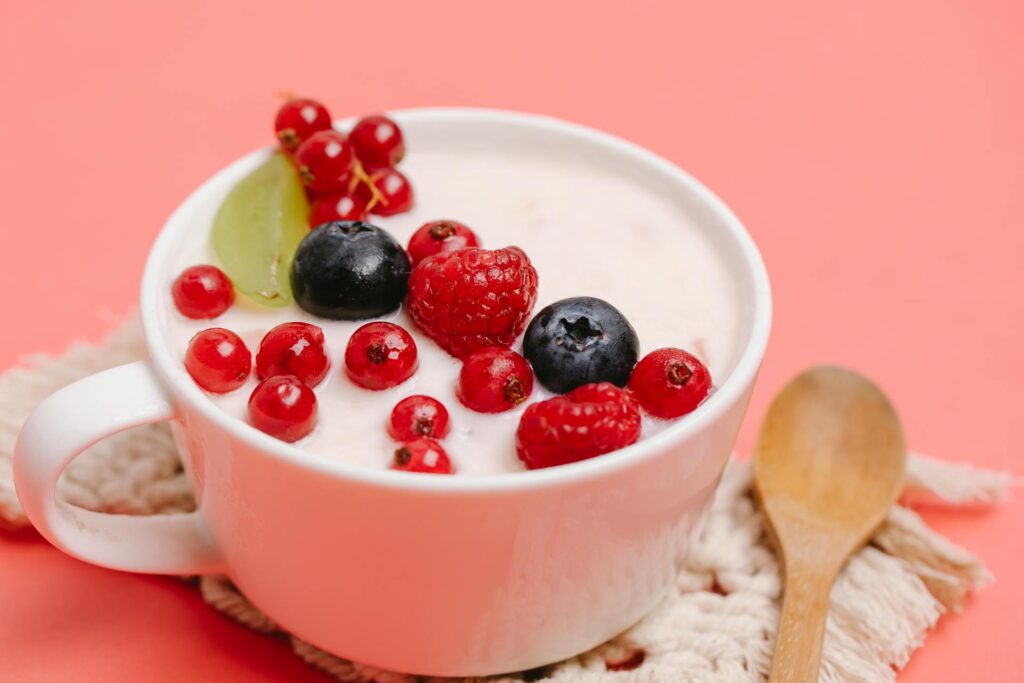
I’ve found that Greek yogurt is a great addition to my breakfast routine. This is my most trusted source of food for stress-reducing foods. Without fail, I eat it every morning for the last couple of years.
It’s not only good for digestion but also helps balance my mood and keep my mind sharp throughout the day. It’s known to carry a great serving of probiotics, vitamin and minerals that support your blood and bones as well.
Not only is it light and refreshing, but greek yogurt can be versatile. It can be easily paired with berries and nuts for breakfast or it can be used in savory dishes, such as dips.
If you’re interested in other amazing yummy items that are considered stress-reducing foods, consider reading the following articles:
30+ Foods To Help With Anxiety” by Cleveland Clinic Health Essentials
Learn more about the fundamentals of a balanced diet in What forms the basis of a healthy diet?
FAQs
-
How do foods help lower stress?
Some foods change the body’s stress response. They lower cortisol levels plus increase “happy hormones” like serotonin and dopamine. These nutrients calm the mind and body ‒ improving well-being.
-
Does herbal tea really reduce stress?
Herbal teas e.g. green tea or chrysanthemum tea, have compounds promoting relaxation. Sipping a warm drink also soothes psychologically.
-
Why is dark chocolate good for reducing stress?
Dark chocolate (70–85% cocoa) has antioxidants plus flavonoids that lower cortisol levels ‒ improving mood effectively in moderation.
-
Are fish oil supplements as effective as eating fatty fish?
Fatty fish naturally provides omega-3s; however, fish oil supplements serve those not eating fish often well enough ‒ but consult a nutritionist first.
-
Does warm milk help with reducing stress and aiding sleep?
Warm milk contains calcium along with vitamin D ‒ stabilizing mood while promoting relaxation before bedtime improves sleep quality ‒ a key in managing stress.
-
What role do probiotics play in lowering stress levels?
Probiotics support gut health linked closely to mental wellness ‒ a healthy gut regulates hormones like serotonin, thus lowering stress levels significantly.
-
Are nuts beneficial snacks for relieving stress?
walnuts contain B vitamins along with magnesium that help manage energy plus relieve bodily tension from stressful situations effectively!
-
How does vitamin C aid in reducing stressful feelings?
Vitamin C supports adrenal glands producing cortisol under pressure; oranges along strawberries or tangerines provide excellent sources of this vital nutrient!
-
Do fiber rich foods assist in managing daily stresses?
Fiber-rich options stabilize blood sugar preventing energy dips intensifying anxiety ‒ they also aid gut health playing roles regulating moods efficiently!
Final Thoughts
I’ve come to realize that managing stress doesn’t have to be complicated or expensive. It can be as simple as enjoying a cup of tea, adding more veggies to my meals, or indulging in a small piece of dark chocolate.
Taking care of my mental health by making these small but impactful changes in my diet has made a world of difference. So, let’s not let stress run the show. We can make mindful, nourishing choices that help us feel more grounded and at peace.
Which of these stress-reducing foods is your favorite? Or do you have any go-to foods that help you relax?
I’d love to hear your thoughts, so don’t hesitate to share your experiences or questions in the comments below about my list of stress-reducing foods or if you have any that you would like to share with others!
You’ll Also Love: Unlocking Five Strategies to Invest in Your Mental Health


Plugin designed by RofiTech

Leave a Reply